
Winter Hair Hacks That Actually Work

Winter definitely isn’t kind to your hair. I mean, the cold wind (and you know it feels so cold on your skin but actually it’s a dry wind), dry air inside and outside, heating that dries your hair even more and low humidity, are all factors that just suck the moisture out of your hair. Hence, the result is frizzy hair, splits, and completely dull hair. What if I were to tell you that just a few modifications to your routine could work wonders? These winter hair care tips are both simple and clever. They provide your hair with smoothness, nourishment, and luster during the whole cold season.
The Cold Rinse Trick Nobody Uses
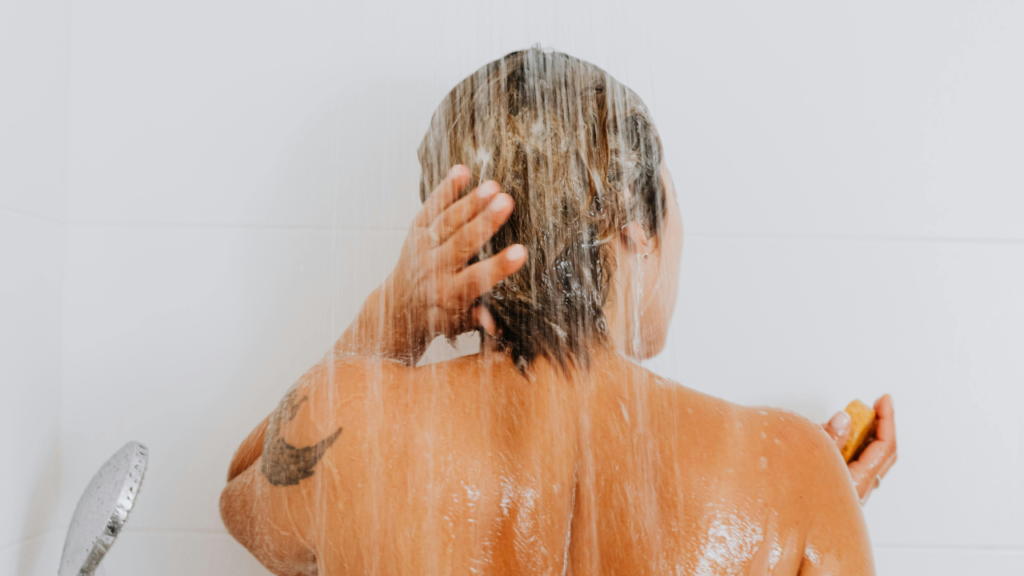
Almost everyone tends to finish their shower with warm water, however, a fast cold rinse is able to change your hair completely. The cold water is beneficial in sealing the cuticles, thus, it is able to retain the moisture and make the hair look naturally shiny. Besides that, it also lessens frizz, makes hair more smooth, and increases the time of the conditioner’s effects. Simply 10–15 seconds of cold water applied at the end of your wash will result in your hair becoming softer and easier to handle in the cold season.
Ditch the Towel, Use a T-Shirt
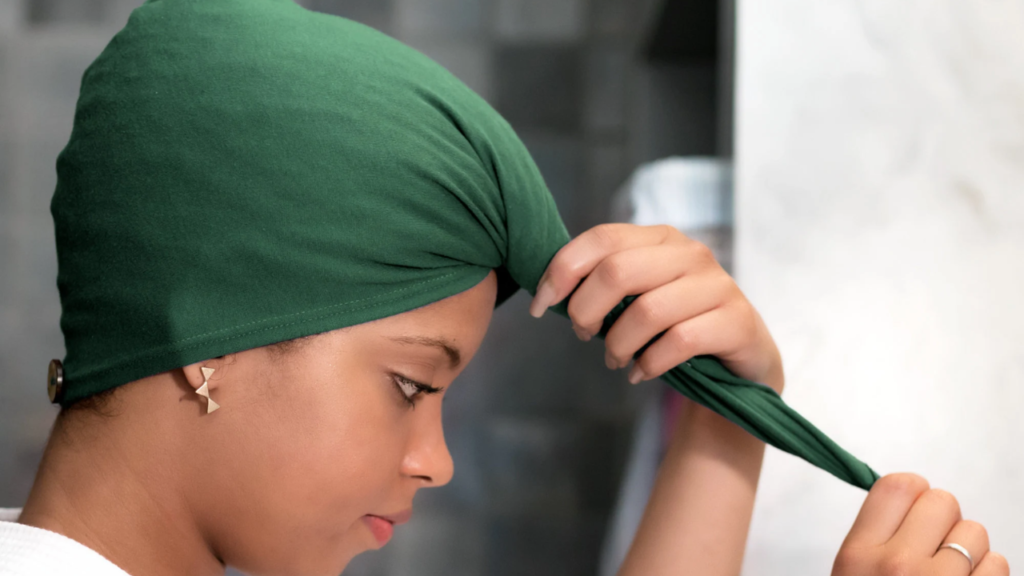
Standard cotton bath towels are a major culprit for friction to occur, they grab onto the strands that are wet and therefore, frizz is amplified, especially that hair is weakly branched in the cold season. So, take a soft cotton T-shirt or a microfiber towel. These materials take the water off in a very gentle way and do not strip the hair cuticle. By just changing the fabric, the breaking of hair can be reduced, frizz can be controlled, and the curls or waves can become more compacted.
Layer in Leave-In Protection
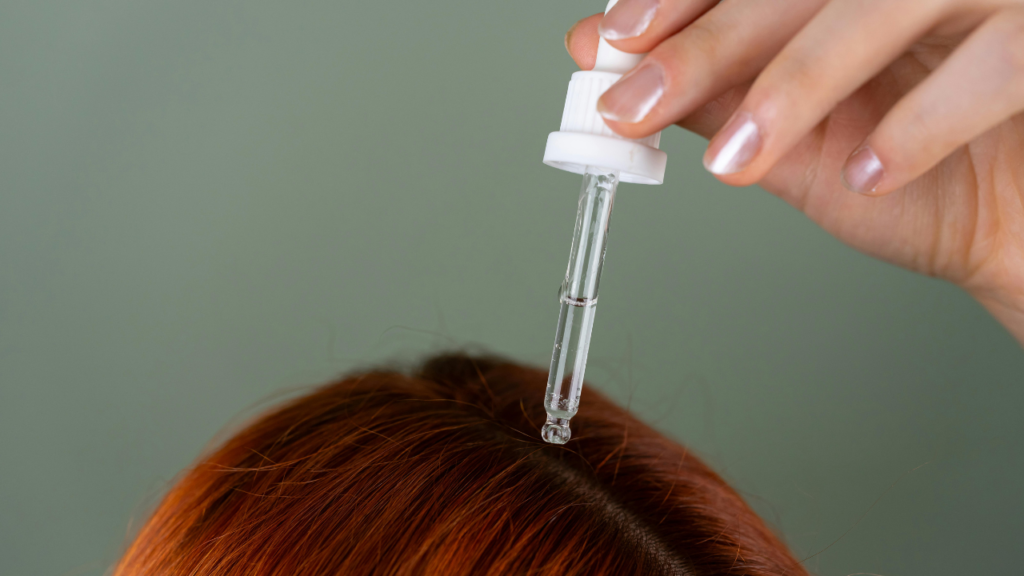
Hair needs to be hydrated more when it is winter. To keep the moisture, take a light leave-in conditioner or hair serum and apply it on your damp hair after the conditioner. Try to find the products that have these ingredients: hyaluronic acid, glycerin, shea butter, or argan oil. If you layer the protection, it will help to protect your hair from dry heating that is indoors, cold wind, and static, thus your hair will be smoother and more nourished during the whole day.
Switch to a Satin Pillowcase
Cotton pillowcases soak up moisture and create friction, as a result, frizz, dryness, and tangling are the common issues that can be experienced throughout the night. Whereas satin pillowcases are able to keep the hair smooth as well as moist. Besides hydrating your hair, they also lower the breaking of the hair and give you the hairstyle for a longer time. This trick works wonderfully well with curly, wavy, and textured hair types in the cold season.

Use a Humidifier to Protect Your Hair While You Sleep
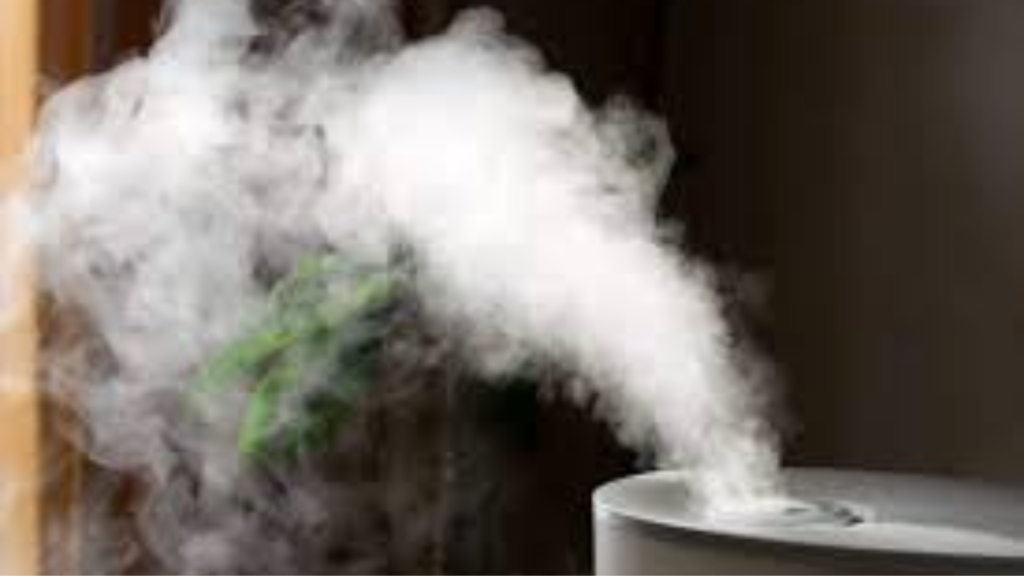
Winter air is very dry, and it is even more so indoors because of heaters. The dry air takes water from your hair, thus your hair gets broken, split ends appear, and it becomes dull. If you use a humidifier during the night, it will add the water vapor back into the air and your hair will be moisturized while you are sleeping. It also eliminates frizz that appears in the morning and your scalp is saved from being tight, itchy, or flaky.
Conclusion
Don’t let the cold season take away the shine or make your hair dry and hard to manage. Just incorporate a few clever changes to your daily routine such as changing to a satin pillowcase, putting on more leave-in moisturizing product, or even just rinsing with cold water and you will be able to keep your hair soft, glossy, and healthy throughout the whole season. These tricks are easy, budget-friendly, and really work for any hair type.
FAQs
How often should I wash my hair in winter?
Aim for 2–3 times a week to prevent stripping natural oils.
Can oils help during winter?
Yes, lightweight oils like argan, almond, or jojoba help lock in moisture and reduce frizz.
Should I avoid heat styling in winter?
Minimize it when possible. If you do use heat, always apply a heat protectant.
Does cold weather cause hair fall?
Cold air doesn’t directly cause hair fall, but dryness and breakage can increase shedding.
Is deep conditioning necessary in winter?
Absolutely. Once a week deep conditioning keeps your hair soft and hydrated.